Bridget Moran: Social Worker, Author, and Activist.
Early Life and Education
Bridget Moran (née Drugan) was born on September 1, 1923, in Enniskillen, Northern Ireland. After immigrating to Success, Saskatchewan, her family faced the harsh realities of the Great Depression. This early exposure to systemic poverty fueled her lifelong commitment to social justice.
After serving in Navy Intelligence during WWII, Moran broke academic barriers as a gold medalist at the University of Toronto. When denied a history career due to her gender, she pivoted to social work, a move that would change the landscape of advocacy in British Columbia.
The “Little Rebellion” of 1964
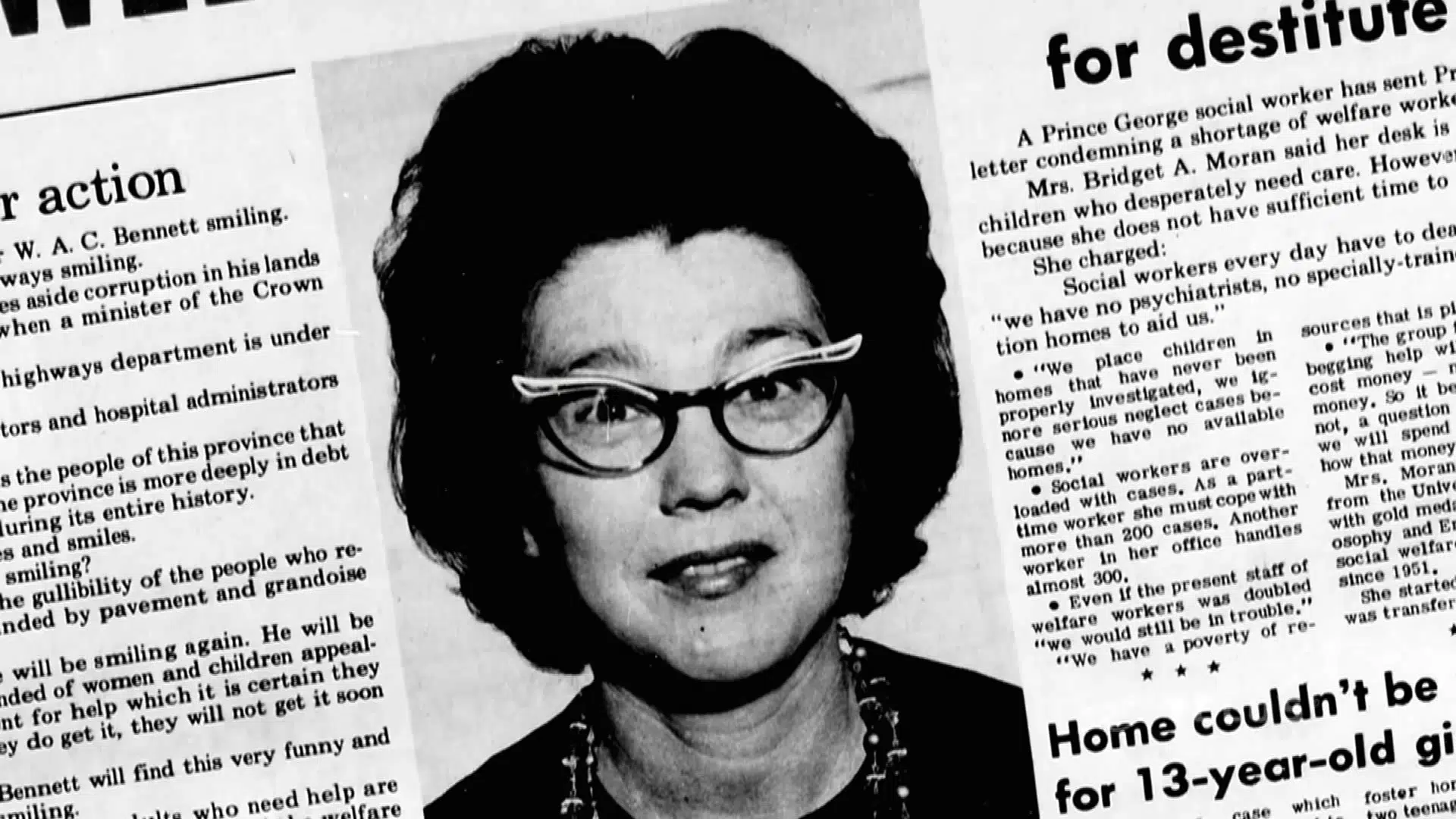
While serving as a District Supervisor in Prince George, Moran witnessed a welfare system that neglected the very children it was meant to protect. In 1964, she led a “little rebellion,” publicly condemning the B.C. government for its lack of social infrastructure. Though she was suspended and blacklisted for her bravery, her stand forced a public conversation about the ethics of provincial care.
By MVict – Own work, CC BY-SA 4.0, Link
Literary Legacy and Indigenous Advocacy
Moran’s later years were defined by her collaboration with First Nations communities. Her book Stoney Creek Woman, which chronicles the life of Carrier Elder Mary John, remains a seminal text in Canadian literature. Through her writing, she bridged the gap between settlers and Indigenous history, continuing to fight for the marginalized until her passing in 1999.
Bridget Moran Place: Carrying the Torch
Bridget Moran Place (BMP) is the modern manifestation of Bridget’s 1964 demands. By providing low-barrier housing and supportive services, BMP ensures that the “cracks” Bridget identified in the system are filled with safety and dignity.
- Vancouver (668 Powell St): Supportive housing for residents facing homelessness and mental health challenges.
- Prince George (590 Dominion St): Emergency shelter and advocacy for the Central Interior’s most vulnerable.
Deep Dive & Sources
To learn more about Bridget Moran’s impact, visit these verified resources:
- Wikipedia: Full Biography
- RainCity Housing: About BMP Vancouver
- CBC Feature: Blacklisted – The Prince George Icon
- ABC BookWorld: Bibliography
- Documentary: The Story of Bridget Moran
The Story Behind the Statue: Blacklisted
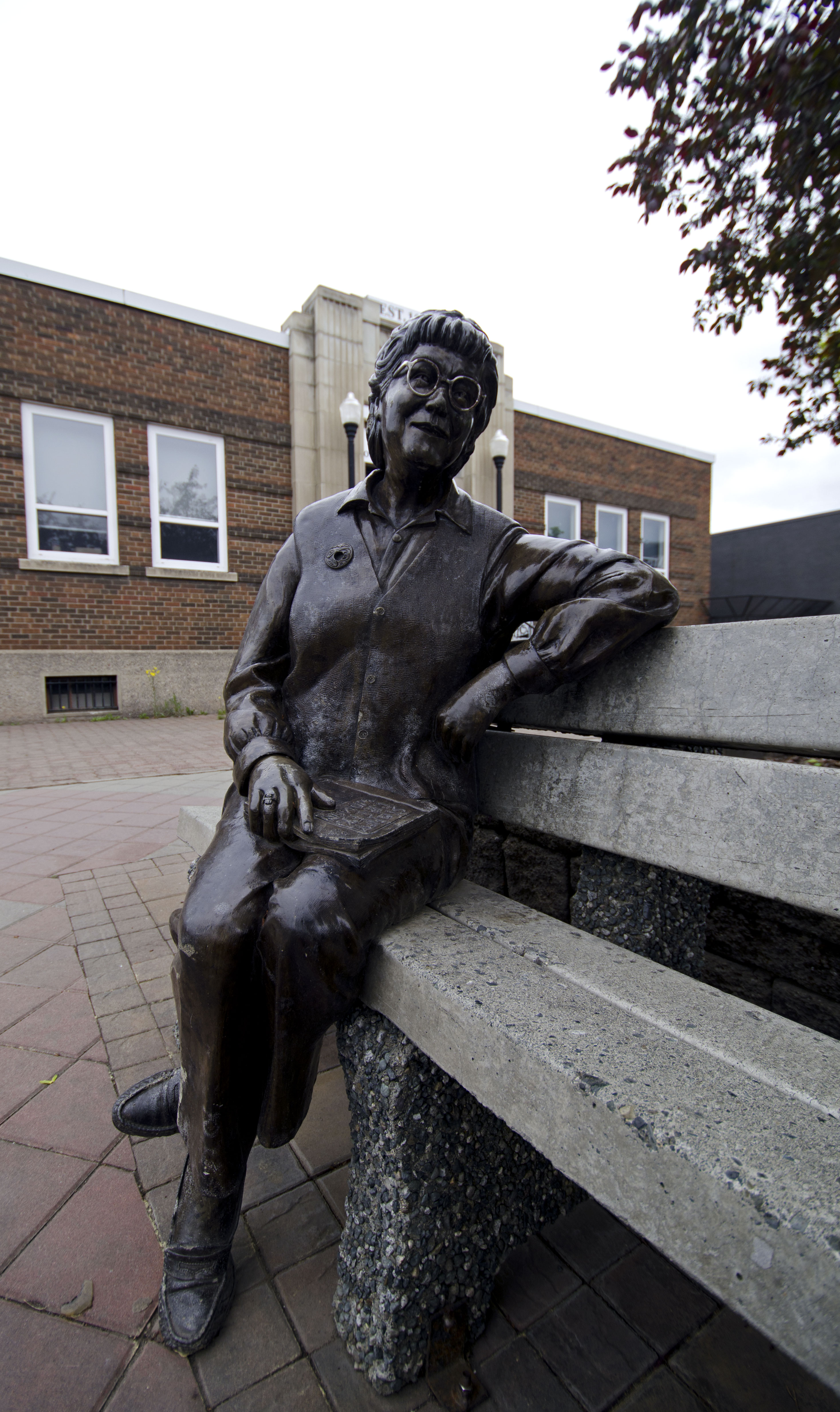
Many in Prince George are familiar with the bronze statue on the corner of Third Avenue and Quebec Street, but few know the full weight of the story behind the woman sitting there. In 1964, Bridget Moran—a dedicated social worker and supervisor—took a stand that would define her legacy and alter the course of social work in British Columbia.
Driven by a system she felt was prioritizing economic growth over human lives, Moran penned a courageous four-page open letter to Premier W.A.C. Bennett. In it, she condemned the provincial government for gross neglect of the most vulnerable children and families in the north. This act of defiance, known as her “Little Rebellion,” resulted in her immediate firing and a long-standing blacklist from the provincial ministry.
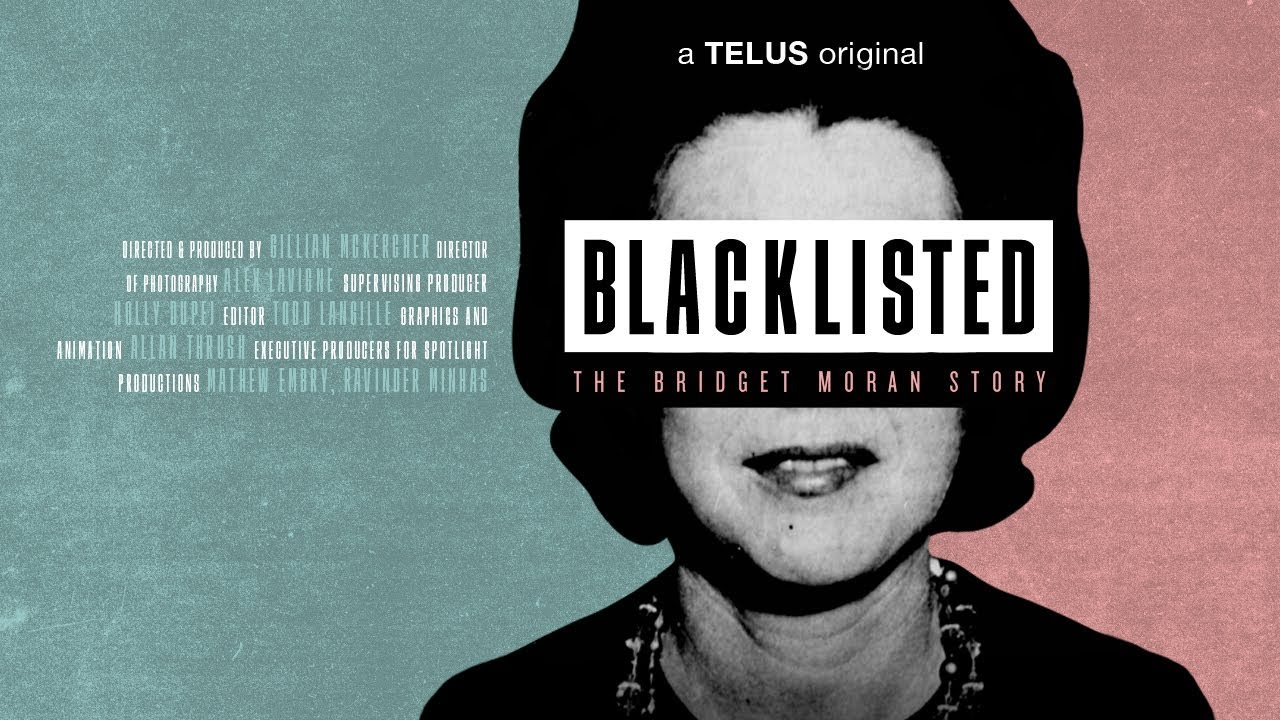
The documentary below, produced by STORYHIVE and directed by Gillian McKercher, explores Bridget’s lifelong journey of standing up for the truth. Through archival materials from UNBC and interviews with those who knew her—including her daughter, Roseanne Moran—the film reveals how one voice can mobilize a community and serve as a catalyst for change. As relevant today as it was decades ago, Bridget’s story remains an inspiration for activists and social workers across Canada.
This documentary is the most comprehensive visual record of Bridget Moran’s activism, detailing the specific events of her 1964 firing and her subsequent work with Northern and Indigenous communities.
The sculpture of Bridget Moran was created by artist Nathan Scott and is located at 3rd Avenue and Quebec Street downtown Prince George BC.